
Bringing the Industry Back in the Same Room
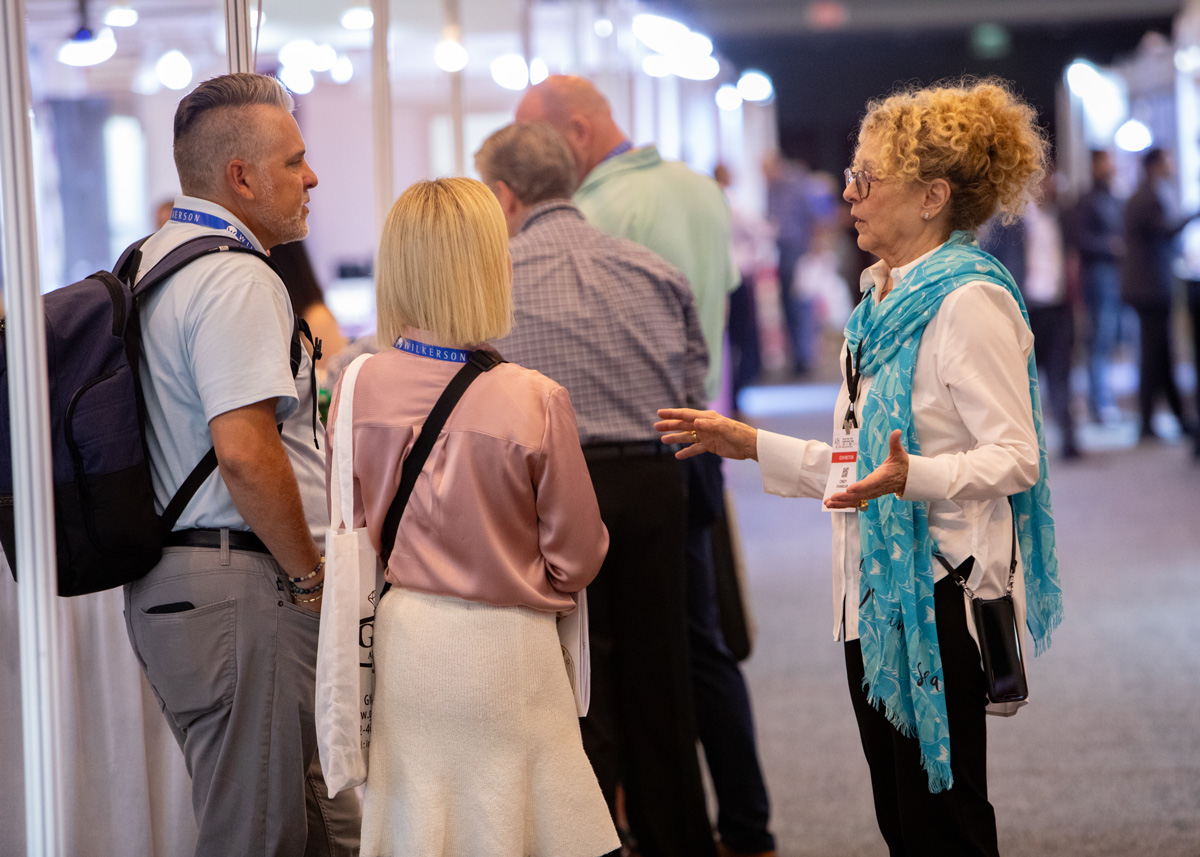
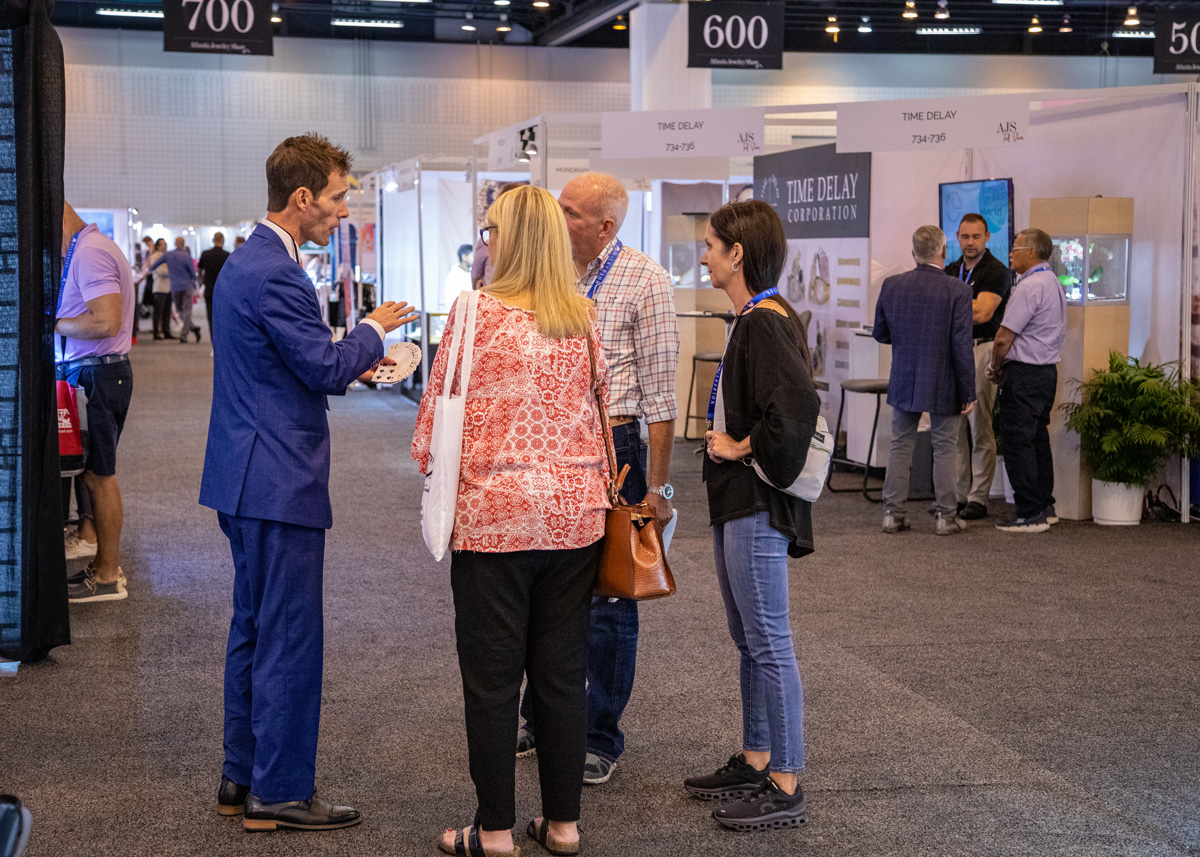
One of the things that becomes very clear when you spend enough time inside the jewelry industry is that we do not suffer from a lack of knowledge. We suffer from distance. Distance between parts of the trade that depend on one another. Distance between education and practice. Distance between people who care deeply about the future of the industry but are often working on parallel tracks rather than together.
We want the Atlanta Jewelry Show to become a place where some of that distance begins to close.
Because the show is produced by the Southern Jewelry Travelers Association and exists as a 501(c)(6), it already has a mission to serve the industry and the SJTA members. The show can act as a convening space, one that welcomes the many organizations already doing meaningful work in education, training, and professional development, and gives them a place to be seen together, in context, by the industry we serve. That aspiration has been taking shape through the relationships forming around the show.
Organizations like Manufacturing Jewelers and Suppliers of America (MJSA) bring deep experience in jewelry production, bench education, and workforce development, including the Department of Labor-approved jewelry apprenticeship program, MAP, which gives structure and legitimacy to something the industry has long relied on informally. Jewelers of America (JA) contributes a different but complementary layer, through its Intermediate and Master Bench Certifications, along with long-standing retail education initiatives such as JA Education and the Diamond Council of America. These programs establish shared standards and language around skill, knowledge, and professionalism.
The GIA adds yet another essential dimension. By hosting a full week of GIA laboratory programs before each Atlanta Jewelry Show, the show helps make advanced gemological training more accessible to GIA students in the Atlanta region. These lab courses are a required step toward completing a GIA diploma, and offering them in conjunction with the show creates a natural bridge between education and practice.
Academic programs and independent training groups are also part of this picture. University programs like Savannah College of Art and Design (SCAD) bring students and faculty into direct contact with the practitioners of the trade, while organizations such as Buyers Intelligence Group (BIG), Optimum Retail Solutions, Edge Retail Academy, and StrategyWerx contribute perspectives grounded in data, operations, leadership, and the day-to-day challenges of running a jewelry business.
What matters is not that all of these programs exist. They already do. What matters is that they rarely occupy the same space at the same time, in front of the same audience, with a shared sense of purpose.
Over the next few years, the ambition for the Atlanta Jewelry Show is to become a place where those threads are more intentionally woven together. Not by consolidating control or flattening differences, but by creating visibility and continuity. A place where someone can see a path from early exposure, to formal education, to apprenticeship, to certification, to leadership. A place where bench skills, retail acumen, gemological knowledge, and business judgment are understood as parts of the same system rather than separate silos.
When the people who produce, sell, buy, teach, certify, and train are in the same place at the same time, the conversation gets more honest and more practical. People can see where training prepares someone well and where it falls short. They can see which skills are being taught, which ones are being assumed, and where handoffs between programs break down. Instead of talking abstractly about collaboration, people can start having practical conversations about what needs to be added, adjusted, or connected.
The Atlanta Jewelry Show cannot do this work alone, and it should not try to. What it can do is provide a stable, welcoming place for the industry to gather, learn, and reconnect, year after year. A place where talent is developed deliberately, knowledge is shared generously, and the future of the industry is shaped by the people who are invested in it for the long haul.
That is the direction we are moving toward. Not all at once, and not without effort, but with intention, patience, and a belief that the jewelry industry is strongest when it is willing to come together in the same room and do the work side by side.