
How the War in Iran Is Affecting the Jewelry Industry
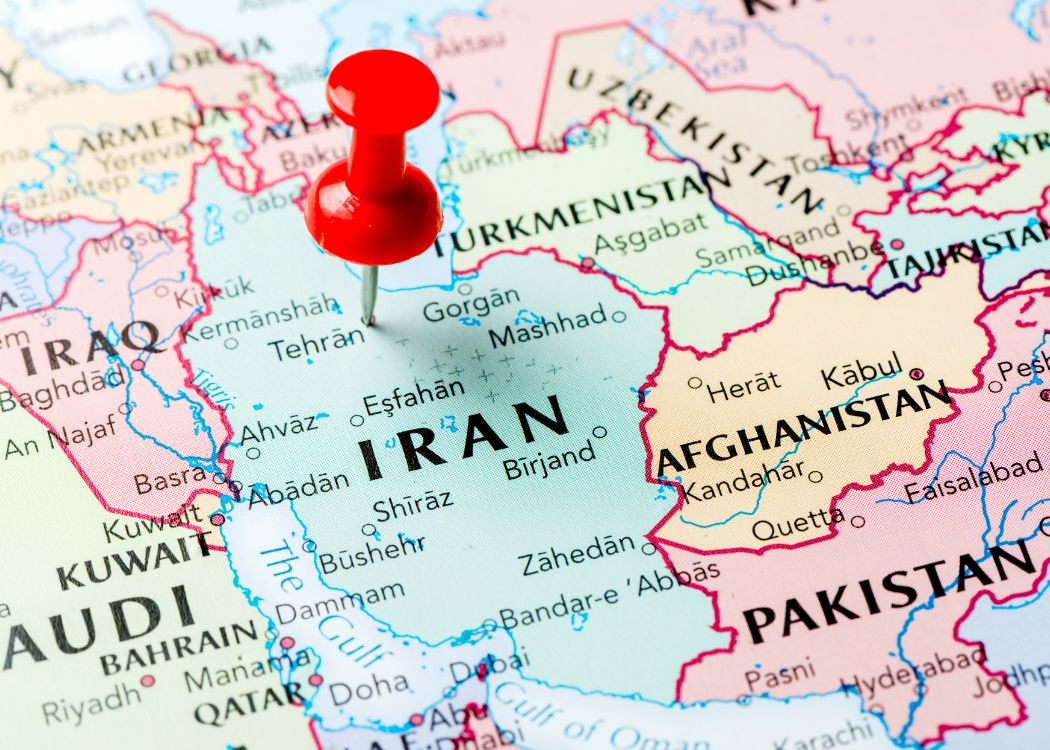

On February 28, 2026, the United States and Israel launched a series of strikes on Iran, adding to the geopolitical complexity in the region. In the six months since hostilities began, the nations have traded strikes throughout the Middle East, leading to the shutdown of shipping through the Strait of Hormuz, a waterway about 20 miles wide and 100 miles long through which 25% of the world’s oil flows.
The effects of the war were a topic of discussion at this year’s CIBJO Congress, held in Vicenza, Italy, on September 5, 2026. A panel discussion consisting of a number of jewelry experts from around the world covered the effects of various geopolitical crises on the jewelry industry, from higher energy costs to the decimation of the Middle Eastern jewelry market.
Panelists spoke of the negative effect the war has had on the jewelry market, particularly the Middle Eastern market. Additionally, rising energy prices have raised costs across the board.
To remain resilient amid these challenges, to the extent possible, jewelers should diversify their supply chains and adjust how they market jewelry to address the anxiety and hesitation consumers are feeling in these uncertain times.
Effects on the Middle Eastern Market
The Middle East has long been a major market for luxury jewelry. Iran has launched strikes against US military bases in the region and considers any nation aiding the US attacks on Iran to be an enemy. As a result, Iranian missiles have struck oil fields, refineries, industrial areas, and military bases across the Gulf region, including Iraq, Bahrain, Qatar, the UAE, Saudi Arabia, and Oman, and elsewhere in the Middle East, in Jordan, Syria, and Israel. These attacks, and the threat of further attacks, have brought jewelry sales in the Middle East to a halt.
Speaking at CIBJO, Guido Grohmann, Managing Director of the German Association of Jewelry, Watches, Silverware, and Supplying Industry, reported that the Middle East has gone from being “an extremely important market for our companies…to almost zero” due to consumers’ reluctance to spend on luxury goods amid the violence and uncertainty. “If there’s bombing going on,” he continued, “consumers tend to lose their interest in buying stuff, right?”
Effects of Higher Energy Costs
The most pressing concern for the global jewelry market is the rise in energy costs, driven largely by conflict in the Middle East. Grohmann remarked that higher energy costs “concerns me more than the gold price going up another 20 euros.” Jewelry is a global industry, requiring goods and materials to be shipped around the world, with many stops between mine and retailer. Higher energy prices drive up costs at every point in the supply chain, and those costs are ultimately passed on to the consumer.
How Your Business Can Adapt
Supply Chain Diversity
The option to diversify your supply chain has been valuable since the pandemic disruptions, and in the situation with Iran, maintaining a diverse, flexible supply chain remains your best bet. Build flexibility into both raw material sourcing and cutting and polishing rather than relying on single processing hubs. This remains the best way to mitigate the effects of higher energy costs and geopolitical bottlenecks.
Lower Costs
The higher energy prices caused by the war are ultimately passed on to customers. As they combine with higher precious metals prices to drive up the cost of luxury jewelry, one good strategy is to adapt finished pieces to fit consumer budgets, taking metal type, design weights, and gem composition into account.
Build Emotional Connections With Customers
Times of economic uncertainty and geopolitical anxiety will also change how you market luxury goods. In such times, consumers seek reassurance, emotional connection, and lasting value. Any opportunity to emphasize love, heritage, and spiritual connection in marketing messages will be more effective during times of uncertainty
The Only Certainty Is Uncertainty, So Plan Accordingly
The conflict between the United States, Israel, and Iran has dragged on for six months, with neither clear goals nor an end in sight. On September 22, 2026, US President Donald Trump reported having a positive meeting with Iranian leaders at the UN General Assembly. These latest promising talks come after broken ceasefires and failed talks, as well as a promise that the war would end after the midterm elections in the United States in November 2026. This confusion contributes to losses in the jewelry industry. Jewelry businesses are advised to plan for more uncertainty and chaos until the nations reach a definitive, lasting agreement.
Since the 2020 pandemic, uncertainty and instability have been constants. Rather than react to each crisis individually, take steps to build resilience into your business. We can’t predict the future, but we can still prepare for it.