
FutureFusion: And the Future of the Industry
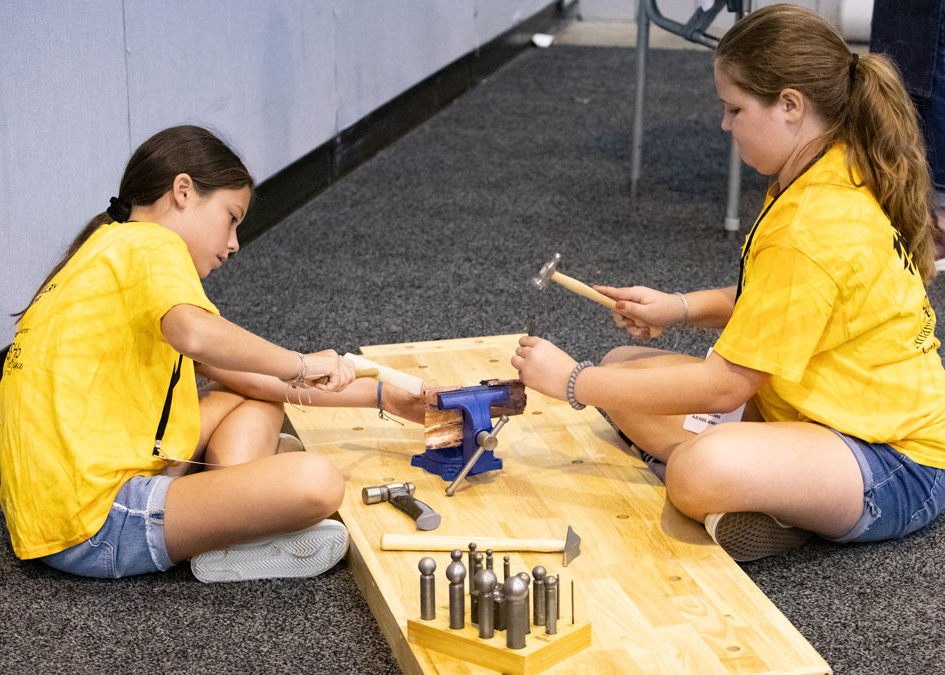
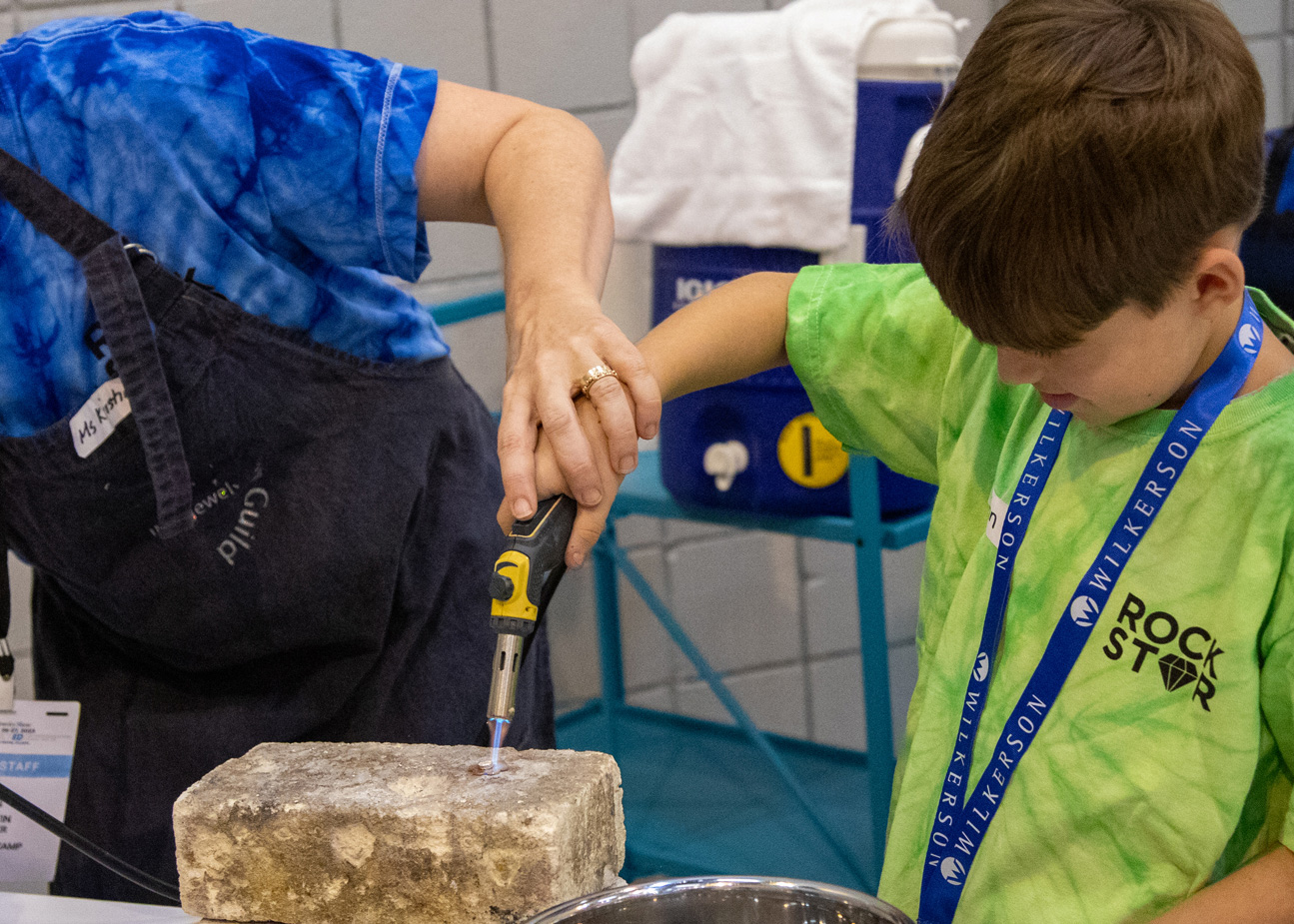
There is a moment most people can remember, even years later, when a possible future first became imaginable. It was rarely a formal decision or a carefully planned experience. More often, it was something that flew under the radar. Someone let you try something real. Someone trusted you with a tool that required care. Someone treated your curiosity as if it were worth their time. Someone treated you like an adult, even though you were years away from that landmark.
That is the context in which jewelry education for children becomes meaningful, and it is why FutureFusion exists.
One of the challenges facing the jewelry industry is not a lack of creativity or talent. It is that too few young people ever get close enough to the work to imagine themselves doing it. Jewelry, from the outside, can look finished and distant. It appears behind glass. It arrives fully formed. The thinking, discipline, and satisfaction involved in making it are largely invisible unless someone is invited behind the curtain.
FutureFusion changes that reality in a very simple way. It puts the work within reach. Of children.
Originally named “Kids Camp,” the program is sometimes mistaken for a childcare offering, but that misunderstanding disappears almost immediately. The moment you see what actually happens in the room, you know this is no daycare. Students use real tools. They learn real processes. They work with materials that demand focus, patience, and care. A seven-year-old making a bracelet with a saw and a torch is not playing at making jewelry. They are experiencing the satisfaction of turning an idea into something tangible through skill and effort. And that experience will stick.
FutureFusion is part of the Atlanta Jewelry Show, produced by the Southern Jewelry Travelers Association, and it is led by Mindy Spritz, a highly respected educator, professor, and incoming president of the Society of North American Goldsmiths (SNAG). Those credentials are impressive, but they are not what give the program its value. The value comes from the way Spritz and her team invite children into the experience of being a jeweler.
They are not entertained. They are not managed. They are trusted.
A child holding a saw or working with a torch is learning much more than a technique. They are learning what it feels like to be taken seriously. They are learning that care matters, that small decisions have consequences, and that good work takes time. They are learning that the time is not something to rush through, but something to inhabit. And once learned, those lessons tend to last.
What FutureFusion understands is that early exposure is not about steering children toward a specific career. It is about permission. Permission to imagine yourself as someone who makes things. Someone who solves problems with their hands and their head at the same time. Someone whose work carries weight, not just value.
For some participants, that permission turns into repetition. They come back year after year. Their confidence grows, their questions get sharper, and their hands get steadier. For others, the impact is quieter but no less meaningful. Jewelry becomes something they understand from the inside rather than something that feels distant or intimidating. Even if they never pursue it professionally, they carry that understanding with them.
It's not an accident that this program is good for the jewelry industry.
Industries do not renew themselves only through formal hiring pipelines. They renew themselves through culture, through shared respect for skill, and through a broad understanding of what it takes to do the work well. When children are invited into making jewelry, the industry gains future customers, future advocates, future business owners, and sometimes future jewelers who arrive with a long-nurtured sense of belonging.
There is also something important about where FutureFusion takes place.
This learning does not happen in a classroom. It takes place within a working trade show, surrounded by professionals who are actively buying, selling, repairing, designing, teaching, and negotiating. Children are not learning in abstraction. They are learning inside a living industry.
They see that jewelry is not a single job or role. It is a network of skills, decisions, and relationships. They participate alongside their parents, grandparents, aunts, uncles, and mentors who take pride in their expertise. They see craft and commerce existing side by side, and learn that businesses are built on relationships. That kind of understanding cannot be replicated with brochures or recruitment campaigns. It has to be experienced.
The Atlanta Jewelry Show takes its stewardship of the jewelry industry seriously, and that means asking generous and strategic questions like this one: What kind of industry do we want to sustain, and what experiences can we create that will make that future possible?
FutureFusion is one answer to that question.