
Why the Atlanta Jewelry Show Is Different

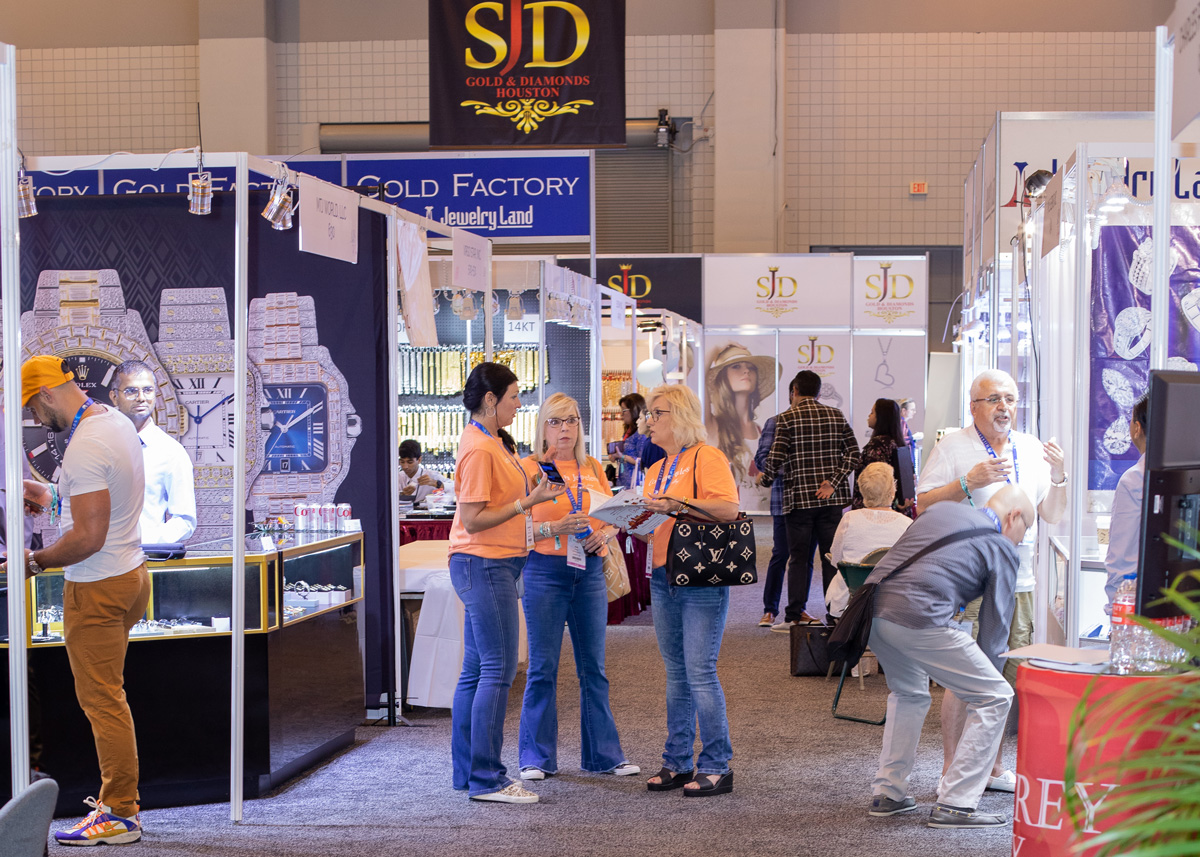
It is easy to underestimate how much an organization's "structure" influences its outcomes, especially in industries where we are used to things being “just the way they are.” Trade shows are a good example of this. Most people experience them as events, not as institutions. You show up, you buy or sell, you leave, and you move on to the next thing. But in the background of that experience is a business model, and that model ultimately determines whose interests the show ultimately serves.
That is where the Atlanta Jewelry Show nonprofit structure becomes more than a technical footnote.
The Atlanta Jewelry Show is produced by the Southern Jewelry Travelers Association, a 501(c)(6) trade association. That means it is not owned by a corporate show producer. It is not designed to generate profit for private shareholders. It exists to serve the common business interests of the jewelry industry itself. And that difference changes almost everything, even if it is not always visible on the surface.
Most fine jewelry trade shows in the United States operate under one of three models. They are either for-profit events owned by corporate producers, membership-driven buying events focused on a defined group of retailers, or privately-owned events or groups. All these models can work, and all play important roles in the industry. But they come with built-in incentives that influence decisions, priorities, and tradeoffs.
A for-profit show has a clear obligation. It must generate a financial return for its owner. That does not make it unethical or careless, but it does mean that decisions about pricing, scale, sponsorship, education, and investment are ultimately filtered through a profitability lens. A buying group show, on the other hand, exists primarily to serve its retail members. Exhibitors participate because the buyers are there, but the event is not structurally accountable to exhibitors.
The Atlanta Jewelry Show sits in a different category altogether.
Because it is a 501(c)(6), it does not exist to extract value from the industry. It exists to return value to it. The exhibitors are not simply customers of the show. They are members of the association that owns it. The retailers are not just attendees. They are part of the ecosystem the show is meant to support. When the show succeeds, there is no external owner taking profit out of the system. Everything the show produces is reinvested back into the event, the infrastructure, and the community it serves.
That distinction sounds abstract until you play it forward.
If a show does not need to maximize profit, it can afford to think longer term. It can invest in education even when education does not immediately pay for itself. It can focus on security, experience, and quality of participation rather than sheer volume. It can ask not just how many booths were sold, but whether the right people were in the room, whether real business was done, and whether the event strengthened relationships that will matter six months or five years from now.
It also means the Atlanta Jewelry Show is uniquely positioned within the nonprofit landscape of the industry itself. There are other nonprofit shows, but most are product specific or mission specific. Some focus on gemstones. Some focus on diamonds. Some serve a narrow professional designation. The Atlanta Jewelry Show is the only nonprofit fine jewelry trade show that exists to serve the full supply chain, across categories, across roles, and across business models, without being limited to a single product or constituency.
Having this broad scope provides benefits to every participant.
Jewelry businesses do not operate in silos. Retailers depend on manufacturers. Manufacturers depend on suppliers. Bench jewelers depend on both. Education, workforce development, and ethical standards affect everyone. A show that is structurally designed to bring all of those perspectives into one marketplace creates a different kind of conversation, and a healthier one.
There is also a responsibility that comes with this structure, and it would be dishonest to ignore it. A nonprofit trade show does not get to hide behind quarterly profit goals or private ownership. It has an obligation to steward the industry it serves. That includes reinvesting in education, supporting workforce development, maintaining ethical standards, and creating an environment where long-term business relationships can form and endure.
That obligation is not a burden. It is a privilege.
When exhibitors participate in the Atlanta Jewelry Show, they are not funding someone else’s asset. They are contributing to a shared industry resource. They are supporting an event that is designed to improve the health of the marketplace they operate in. And in return, they gain access to a show that is structurally aligned with their success, not just this season, but over time.
That alignment is rare. It is also fragile, because it requires intentional leadership and active participation to maintain. But when it works, it produces something that is increasingly difficult to find in modern trade environments: a marketplace built around mutual interest rather than extraction.
And that is what makes the Atlanta Jewelry Show different in a way that actually matters.